
Over the past decade, fan engagement in sports has undergone a remarkable evolution, fuelled by technological advancements and the changing expectations of modern audiences. Neo Molefe breaks down the evolving fan and club relationship as well as strategies deployed to optimise the relationship.
08 October 2024
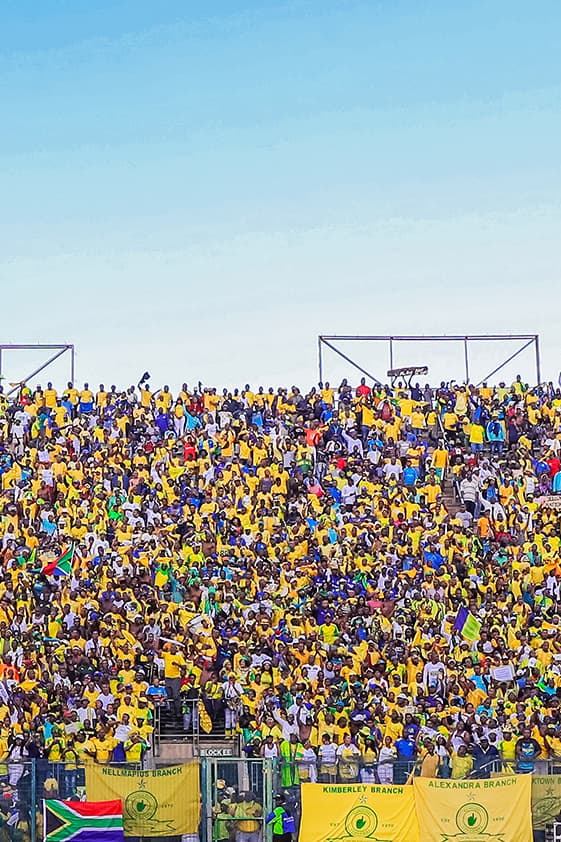
I'm Neo Molefe and many of you might know me from the Masandawana Fan Vlog a YouTube channel I started in 2017 alongside two of my partners to give Mamelodi Sundowns supporters a voice and a platform to share their passion for the club. I've been a lifelong Sundowns supporter, a love for the team I inherited from my dad and the vlog has grown into a space where fans can celebrate wins, analyze performances and engage in discussions about the broader world of football. Through this platform, we've created a strong community that brings together fans not only at the stadiums but also across digital spaces, from Twitter communities to fan forums.
Aside from my work with Masandawana Fan Vlog, I'm a proud digital marketing graduate and Vega alumni, currently working at Vodacom. Here, I've had the opportunity to dive into both brand and digital marketing, with key experiences like working on Vodacom's 30th birthday celebration campaign. This role has allowed me to learn firsthand how brands engage with audiences on a large scale, merging my passion for digital platforms with my deep understanding of fan culture. Whether I'm at the stadium or engaging with fans online, my journey is all about connecting the dots between fan passion, digital marketing and innovative strategies that elevate brand engagement.
Over the past decade, fan engagement in sports has undergone a remarkable evolution, fuelled by technological advancements and the changing expectations of modern audiences. In the early 2010s, fans were primarily passive consumers of sports content, relying on traditional media like television, radio and print to stay connected to their favourite teams. Matchdays were about watching the game, maybe reading post-match analysis and waiting for the next fixture. But as social media, live-streaming and mobile apps took centre stage, fans began to demand increased access, increased interaction and more insight into the clubs they love.
Younger generations, especially Gen Z and Millennials, spearheaded this shift. They no longer want to be passive observers. Instead, they seek immersive, interactive experiences that allow them to feel like active participants in the story of their teams. Platforms like Twitter, Instagram and YouTube gave fans a direct line to their clubs, players, as well as other fans, creating a dynamic two-way communication channel. This shift was especially prominent in European football, where clubs like Liverpool and Manchester City embraced digital engagement early, building vibrant online communities. These clubs understood that fans don't just want to know what happens on matchday, they want to see training sessions, hear from coaches and understand the decisions made in the boardroom.
Globally, sports entities like the NBA and the English Premier League have mastered this digital transition. They've created robust ecosystems where fans are always engaged, whether through live-streaming games, interacting on social media, or consuming behind-the-scenes content. What makes this so powerful is the seamless blend between the physical and digital experience. Fans may be sitting at home, but they're able to immerse themselves in the game as if they're right there in the stadium.
In South Africa, the shift has been slower but is starting to gain momentum. Leading the charge locally are clubs like Orlando Pirates and Cape Town City, who have built impressive digital presences. These clubs not only engage fans on social media, but also provide valuable content that drives deeper connections with their supporters. Additionally, they've recognized the business potential of these digital touchpoints. By leveraging data from these engagements, they can offer more targeted campaigns for their partners and sponsors, making the digital ecosystem beneficial not only to the fans but the business side of football as well.
However, the most significant evolution in fan engagement isn't just coming from the clubs themselves. It's being driven by the fans, and nowhere is this more apparent than in the rise of fan-driven digital platforms like Masandawana Fan Vlog.
When we launched Masandawana Fan Vlog in 2017, it was a pioneering moment for South African football, and arguably for sports in Africa as a whole. Until that point, the fan's voice was often sidelined or only briefly highlighted in traditional media. Inspired by global fan channels like Arsenal Fan TV (AFTV), Liverpool's Redmen TV and Manchester United's Stratford Paddock, we wanted to create a space where the passion of Mamelodi Sundowns fans could be fully expressed. The idea was simple but groundbreaking: give fans a platform to voice their thoughts, analyse the game, celebrate victories and, when needed, air frustrations.
Fan-driven platforms like ours have become a vital part of the sports media ecosystem. No longer content to just consume professionally produced content, supporters want to engage with opinions that reflect their own. They want to see other fans who share their passion talking about the highs and lows of their club. This approach has worked globally and it's working locally too. Since the inception of Masandawana Fan Vlog, we've seen a rise in other fan-centric platforms across the South African football scene following in our footsteps by offering fans a place to come together and share their thoughts.
What makes platforms like ours special is that they provide an authentic, unfiltered view of the sport. Where traditional media may be constrained by corporate interests or editorial policies, fan-driven content is raw and honest. When Sundowns has a great game, we celebrate it. When things go wrong, we talk about it openly. There's no agenda other than reflecting the passion and emotions of the fans. And it's this authenticity that keeps supporters coming back.
Globally, fan channels have proven to be influential forces. AFTV, Redmen TV and Stratford Paddock have become central to the conversation around their respective clubs, with millions of followers who tune in to hear real, unfiltered fan perspectives. These channels have grown into media powerhouses, gaining the attention of sponsors, brands and even the clubs themselves. They've proven that the fan's voice is not only important but commercially viable.
In South Africa, while we may not have reached the level of global fan ecosystems just yet, Masandawana Fan Vlog has paved the way. Our channel isn't just about post-match reactions or player ratings. It's about building a community. We've created a space where Sundowns supporters can connect, not just with the team but with each other. Whether it's through matchday vlogs, live discussions, or engaging with our Twitter community, we're building something bigger than just a YouTube channel. We're shaping the culture around South African football.
As more fans gravitate towards these platforms, clubs are beginning to recognize the value. These channels offer rich data insights, a deeper understanding of fan sentiment and the ability to craft more authentic engagement strategies. The business potential here is immense—not just for content creators but for the clubs, sponsors and brands who want to tap into that passion.
Looking ahead, the future of fan engagement is likely to be defined by this blend of official club-driven digital initiatives and fan-driven content. Both have their place, but it's clear that fan platforms like Masandawana Fan Vlog are here to stay. They've become an essential part of the sports ecosystem, giving supporters a voice and, in doing so, help shape the narrative around their teams.
All rights reserved © 2026.