
The rise of digital media and democratization of content through social media has resulted in a seismic shift in the role of traditional broadcasters who historically were the first to break stories and provide insights on sports. Naledi Aphane discusses the evolving media landscape and the role which traditional broadcasting plays in proliferating sports to fans with varying interests.
12 June 2025
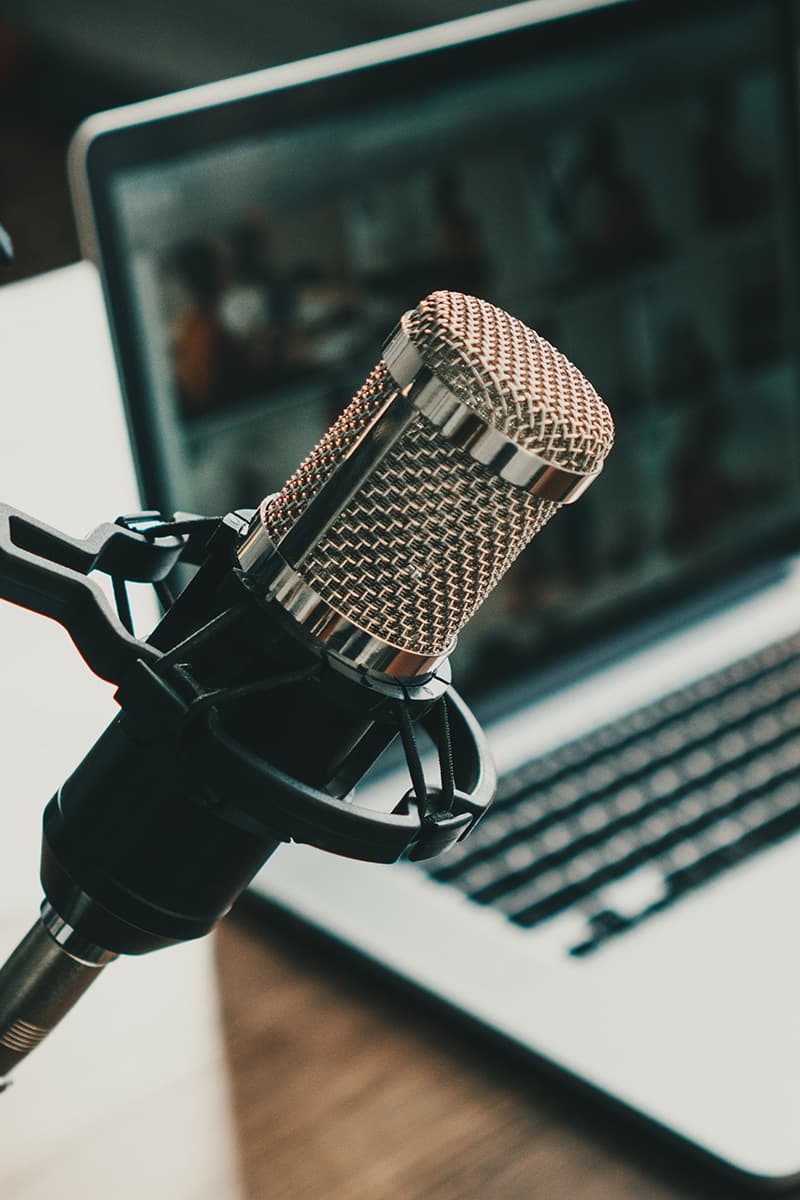
I don't think there has been much shift from traditional broadcasters because the truth is in as much as there's a surge of podcasts covering sports, there is still a demand for traditional broadcasters/channels. Maybe in the nearest future we can see the shift but for now there's still a strong demand for traditional broadcasters. Podcasts are usually for people with access and we still have so many people with lack of internet access (rural areas or townships) who still rely on traditional channels for sports shows because of lack of access. In conclusion, I think traditional broadcasters are coexisting with digital platforms.
The direct communication between athletes, clubs, and fans has given them more control over their narrative, allowing them to:
This shift has indeed impacted the relationship between broadcasters, athletes, and clubs, as broadcasters are no longer the sole gatekeepers of information. Instead, they're adapting to new roles and finding ways to provide value to fans in a changing landscape.
In South Africa, people still trust traditional media and sports broadcasters for accurate information. They rely on them to provide facts and details, rather than just opinions found on social media. This means traditional media and sports broadcasters remain important and relevant. When a story breaks on social media and is thoroughly discussed, there's still a demand for seasoned journalists like Robert Marawa to provide further insight. I think in South Africa, broadcasters are still the most significant carriers of information.
Personally, I don't think I'm fully engaging with the fans on my platforms as much as I should but I do try. I would say I engage with the passionate fans whenever I'm on radio or TV by giving in depth analysis of the sport we'd be talking about. This question has made me reflect on how I can actually improve and get the fans engaged with me and the sports I cover on my social media. I will do better 😅 but as I'm thinking about it right now, the casual views would definitely want to watch something catchy, like highlights of the game and maybe a short clip dissecting the game, for passionate fans it would be getting into detail about the game, players' performance etc.

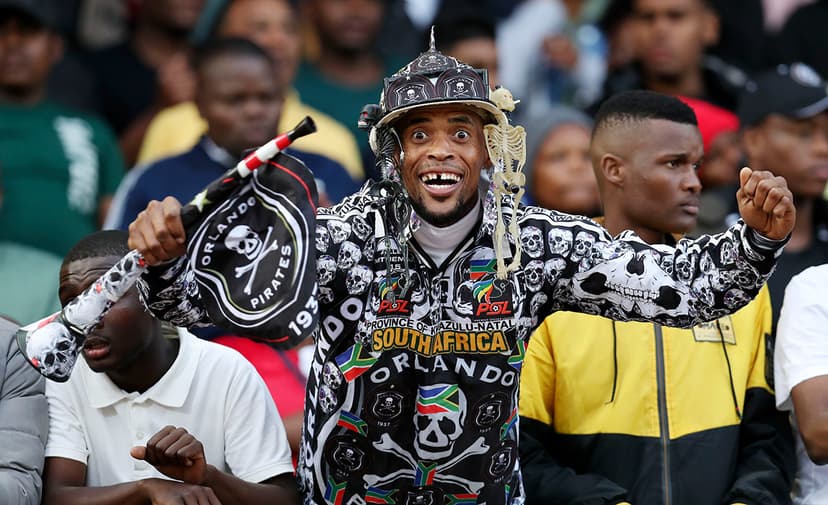
My experience covering the cricket World Cup for an international broadcaster was at first, challenging because things are done differently from what I'm used to. It is fast paced, you're reaching millions of people in different regions, there's access to top talent, great analysts and renowned experts, so you're constantly on your feet, preparing for the next show (that's how hectic it is), on a lighter note, it refines your skills, and how you engage with different audiences, I mean I’ve even had to learn Urdu and Hindi so that the Indian people could understand (since it was hosted in India). My takeaway was that, if you work hard and perfect your craft, every opportunity that finds you ready, you fly from there.
I think the future of sports broadcasting is an exciting one, it will likely require sports broadcasters to be more creative, adaptable (as times and technology are getting smarter) and engaging with a strong focus on story telling and building solid connections with fans. I've seen other broadcasters getting into online reporting and podcasting, maybe that's another thing we can expect in the future where there would be freedom of speech on their own platforms.
I would love to see a whole lot of other female broadcasters coming through the ranks, I think this should no longer be a male dominated space.
All rights reserved © 2026.